Preparing for Retirement: Building a Timeline
Retirement is more than a transition—it’s a complete lifestyle shift from the “norm” of a 30-40 year career to a new unknown. This transformation affects both you and your partner in meaningful and often differing ways.

The most successful retirements don’t happen by accident; they’re built intentionally over time with clear communication, thoughtful planning, and disciplined execution.
Here is a practical, timeline-based guide to help you prepare so when the day arrives, you’re stepping into retirement with confidence rather than apprehension and uncertainty:
What to Do Now: The SMART Method
No matter how far away you are from retirement, it's never to early to have a financial plan in place that addresses your specific goals and identifies your current assets. Use this plan to Invest, Manage Debt, and Control Expenses in the years leading up to retirement.
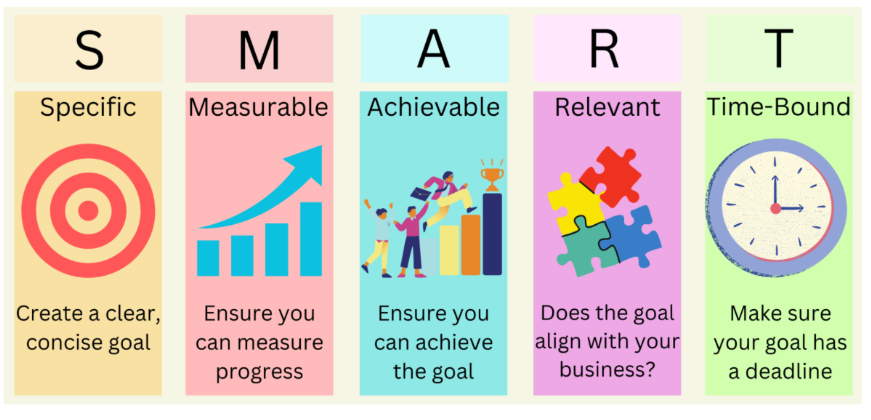
Establish Goals for your financial plan using the SMART method:
Specific: Create goals that are clear, concise, and definable.
Measurable: Have a way to measure progress toward your goal.
Achievable: Make sure your goals are reasonably feasible and attainable.
Relevant: Align the goal with the broader objectives of your future.
Time-Bound: Have a set deadline for achieving your goal.
Reprioritize your goals as necessary and validate/update annually or when life-changing events such as marriage, divorce, births, deaths, disabilities, prolonged illness, caregiver status, job promotion, job loss, career change, or inheritance occur.
5 Years Out: Build the Foundation
Five years before you retire, your focus should be clarity and alignment. If you’ve kept a clear focus on the items noted above, then this is the time to begin testing your plan’s ability to perform after retirement.
Think of it this way: you’ve been practicing for a lifetime to enter this game. This is the moment when you receive the last-minute instructions from the coach that highlight your strengths and identify weaknesses or tendencies to avoid. Your confidence builds because the metrics say you're ready! You've been planning for this moment!
Here are five things to do five years out from retirement:
1. Define Your Vision
What does retirement actually look like for you AND your partner? ALIGNING ON YOUR VISION IS VERY IMPORTANT. Retirement means different things to different people, even within the same household. Make sure you know each other's definition…you don’t want any surprises here.
Do you want to travel?
Are you planning on any part-time work?
How important is time with family?
Do you want to relocate? Where?
Misalignment on vision is one of the biggest risks couples face when planning for retirement.
2. Develop a Retirement Income Plan
Shift your thinking from accumulation to distribution. This is hard because distribution is all you’ve likely known in a 30-40 year work history, but distribution is what matters in retirement! Here's what distribution looks like when developing your retirement income plan:
How will income be generated? The best investments for generating growth are often not the best for providing income to sustain retirement.
What withdrawal rate do you need, and what rate is sustainable? There’s a rate you need and a rate your portfolio can support...and they are not the same. The difference is a driving factor for what you do in the good years as well as the bad.
How will market volatility impact your plan? It’s not only the overall volatility, but the Sequence of Returns of the volatility. A 30% return in your first year of retirement can set you up for a lifetime, but a -30% return in your first year can be detrimental to the plan. There are ways to mitigate these risks. You should know them!
3. Stress-Test Your Portfolio
Evaluate whether your current allocation matches your future needs. This is really an add-on to Step 2, and it’s what I call “The What-If Scenarios”. If your plan looks good, throw some realistic events at it and see what happens. What if...
...tax rates are higher than expected?
...inflation is higher?
...you live ten years longer than you've planned for?
...Social Security is reduced?
What about various combinations of all of these risks? With one of my clients, we like to adjust these items until it “breaks” his plan, and then we look back and see how bad things would really have to get. It makes for a great meeting and conversation!
Although you can’t predict everything, this approach will either increase the confidence in your current plan or determine where you need to adjust your plan (which will increase confidence). Ultimately, what this allows you to do is:
Plan for some of the unknown unknowns
Reduce unnecessary risks
Increase diversification
Align investments with income needs
4. Evaluate Debt Strategy
Determine whether to eliminate or retain/restructure debt before retirement. This is a major consideration, and in most cases it’s determined by personal preference and bias. Many retirees want to go into retirement debt-free. Many can’t do that and maintain the level of liquidity they need to counter the portfolio-stressing issues noted above. Here are a couple of considerations when determining your debt strategy:
Mortgage payoff vs. liquidity: What matters to you more? The peace of mind that comes with no debt, or having more assets available if needed?
Interest rate considerations: Is the interest rate is significantly lower than the reasonable expectations of portfolio returns? Then it might be worth hanging onto that asset!
5. Begin Healthcare Planning
Estimate future healthcare costs and explore options well before they become urgent. Healthcare in retirement is one of the highest and most underestimated costs. We often cite the expense but fail to account for the actual amount necessary later in life to cover these costs. FYI, medical expense inflation often doubles the general inflation rate.
Think about what coverage you will have and what coverage you will need in retirement:
Are you retiring before Medicare eligibility, or before your partner is eligible?
Do you need a bridge policy or supplemental policy?
Are you covered by another healthcare insurance (i.e. military retirement)?
How will you pay for dental and vision coverage?
Preparing for Retirement Starts Today
Looking at this guide may feel overwhelming, but you don't have to do it alone! When you work with me, we will discuss these issues in depth through our planning process. At Champion Financial Planning, I help high net worth families retire in the next 5-10 years with confidence and clarity, because planning for retirement is stress-free when you have a champion in your corner.


Comments